Hello, this is JjangJi. There are many resources at aplecture.com, the site mentioned in this original post.
Students who earn 5s in AP Chemistry
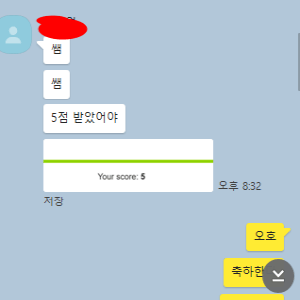
Hello, this is JjangJi. Many students have taken my lessons and earned the highest AP grade. I can't remember every one of them, but they seem to share certain characteristics. The one that stands out most is that when I assigned homework, they did it. That may not sound remarkable, but after teaching so many students, I can say that relatively few consistently keep up with everything I assign, haha.
Sometimes I assign an enormous amount of homework, including questions from IB Chemistry, AP past papers, and even A Level. Students who quietly complete it without complaint—or go further, continually ask questions, and even ask for more homework—give me the feeling before the exam that they'll get a 5. In other words, they're diligent. Naturally, diligence matters for a top AP score. Those students study even if someone tries to stop them, so strong results follow. Beyond diligence, students who trust my guidance and focus on the areas I identify have also tended to do well.
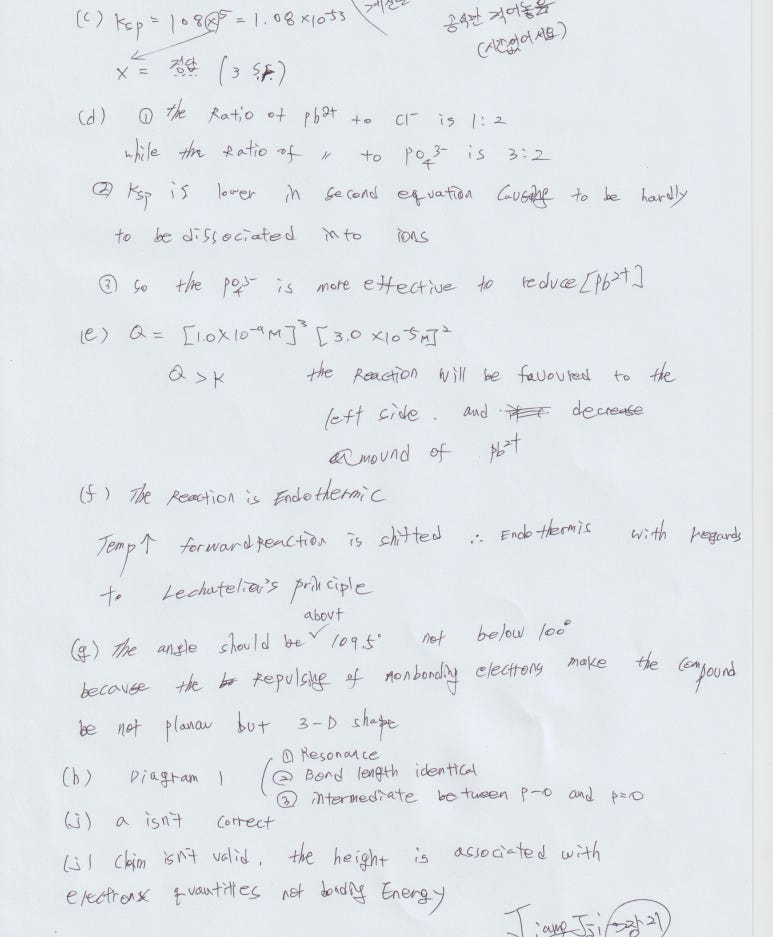
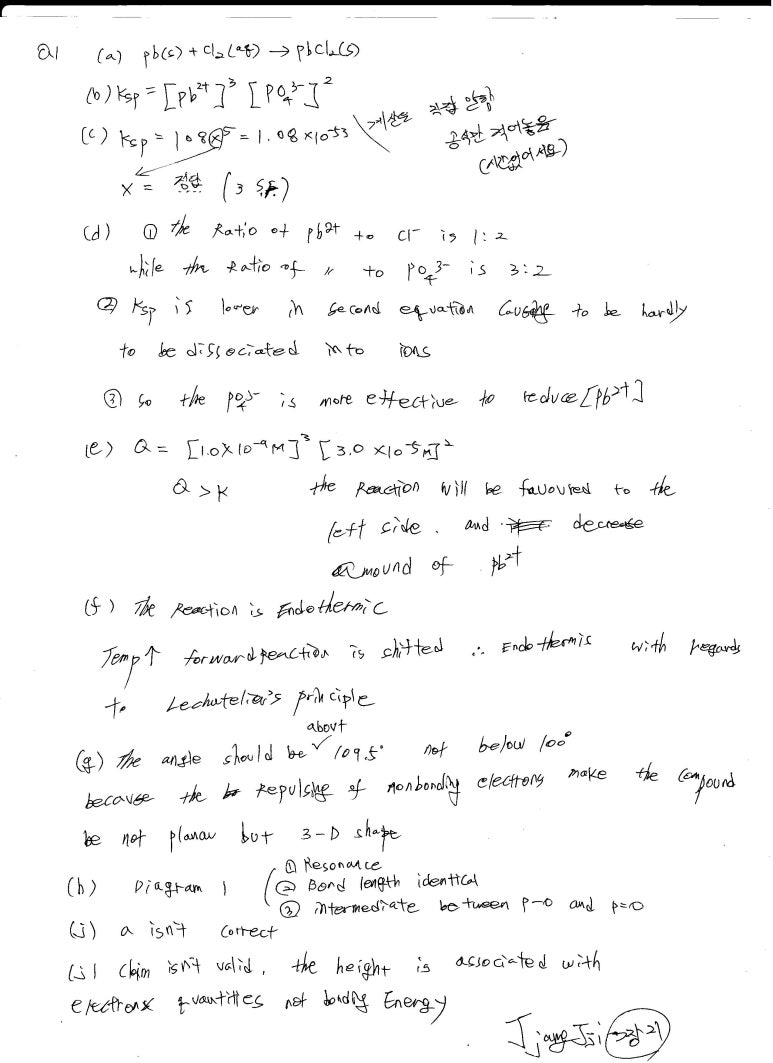
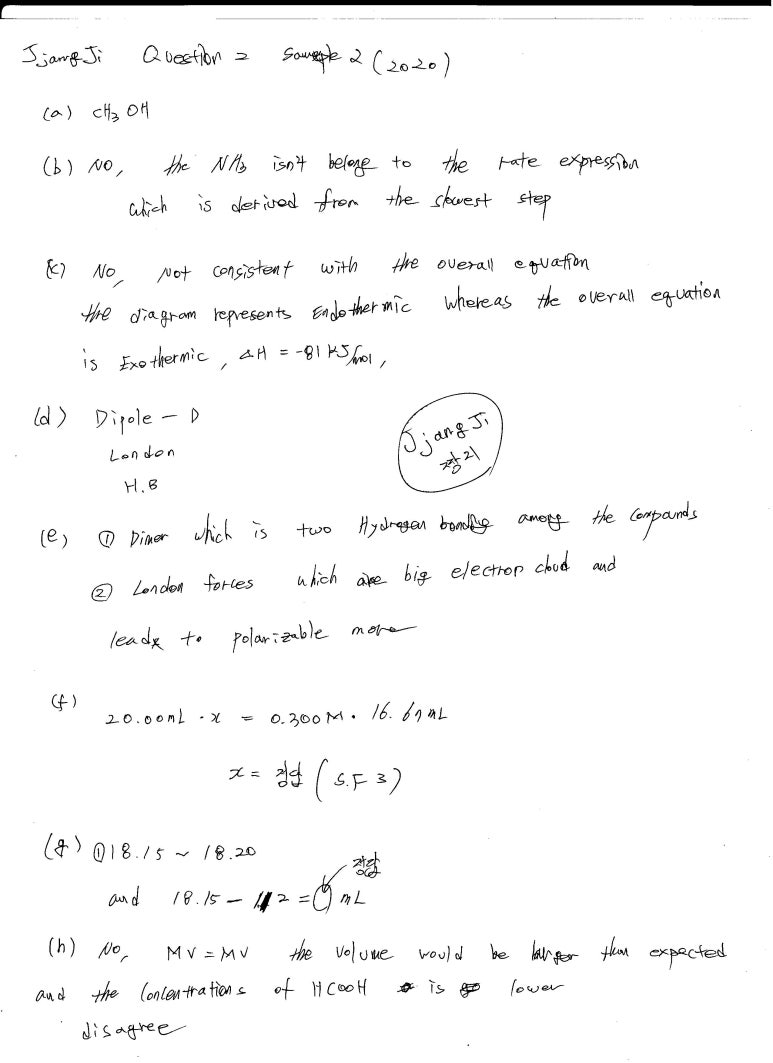
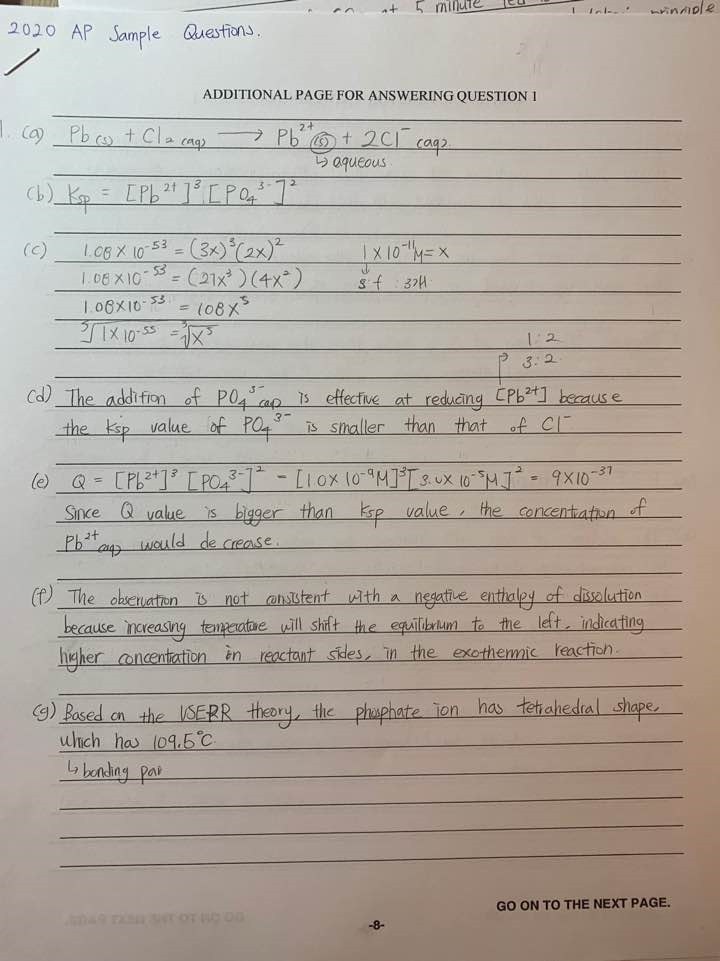
Here is some of the homework, hahaha.
.png?type=w773)
.png?type=w773)
Understanding what the exam tests
I'm not talking about how many minutes the exam lasts or whether it's difficult. Funnily enough, despite teaching so many students, I sometimes can't even remember the exact duration. Exam arrangements change, and students handle dates and registration themselves, so those aren't my main focus. My question is: what does the exam actually test? I've spent years thinking about and researching that while teaching. As a result, I'm confident that its core testing areas are well established. Identifying those areas and working on them is even more important than effort alone. The diligence I mentioned also includes listening to guidance. A diligent student who insists on studying entirely their own way can still run into trouble. I explain in detail what to prioritize and what not to spend time on. Following that can produce improvement quickly. Trying to master everything in an enormous textbook before considering priorities may lead to poor results. First secure the areas that appear in past papers, then work through the rest in order. Put simply, trust the guidance, haha. There is a reason when I say not to focus on something yet. Let go of the idea that you must study every part equally. One of the worst approaches is buying the thickest AP Chemistry textbook and doing nothing but reading it for a month or two. To put it bluntly, that approach rarely produces a 5.
Many students achieved good results, but much of the material was lost, so I'm posting what I still have.
.png?type=w773)
View original messages

View original messages
MCQs and FRQs
Students don't always have many opportunities to see genuine past MCQs. But relying on workbook questions can also lead them away from the exam's actual style. They often use them because there seems to be no alternative, trying to solve as many books as possible. Unfortunately, many workbook questions are much harder than real AP questions or aren't particularly useful for the exam. You need to select suitable questions carefully. Listen to older students or tutors when they explain what to do and what to skip; making that distinction requires experience. Students generally don't yet have that experience, so expert guidance can help. Thankfully, past FRQs are available online. Repeating those is much more useful than completing multiple unrelated workbooks. By repeating, I mean at least three times. That helps you recognize recurring patterns and notice that familiar ideas return. But don't simply pass over questions on those three rounds. Understand every one. Understanding means that the principle remains in your mind a week or a month later. It's different from memorizing an answer through repeated exposure. Ask about or look up even small uncertainties. Use the plentiful FRQ material fully. Practice identifying the keywords needed in an answer. I have nearly 20 sets of FRQs, and writing every answer in full takes time, so extracting the essential points is useful. Being able to identify those points helps you perform in the actual exam. The video below shows me answering AP Chemistry questions, haha.
https://tv.naver.com/v/21188587
https://tv.naver.com/v/21188587 ↗If you don't attend an international school
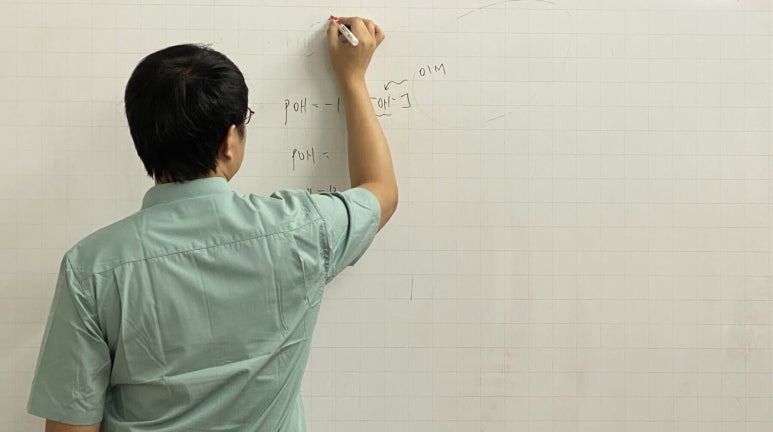
This doesn't apply to everyone, but in my experience international-school students have often done well in AP Chemistry. The reason is straightforward: they're familiar with Chemistry terminology in English. Students from Korean schools may have had less exposure and need time to learn the English terms. I'm not saying international-school students are inherently better; it's a general pattern I've seen. Korean-school students have often needed more time. However, students from some schools, such as the Korean Minjok Leadership Academy, learned very quickly and often earned AP Chemistry 5s in a short time. Many other Korean-school students also have excellent English, so their school background doesn't slow them down. In other words, whether you attend an international or Korean school, a broad understanding of Chemistry and confidence in English can make a 5 achievable in a relatively short period. The image also shows the space where I teach.
Study method and preparation time
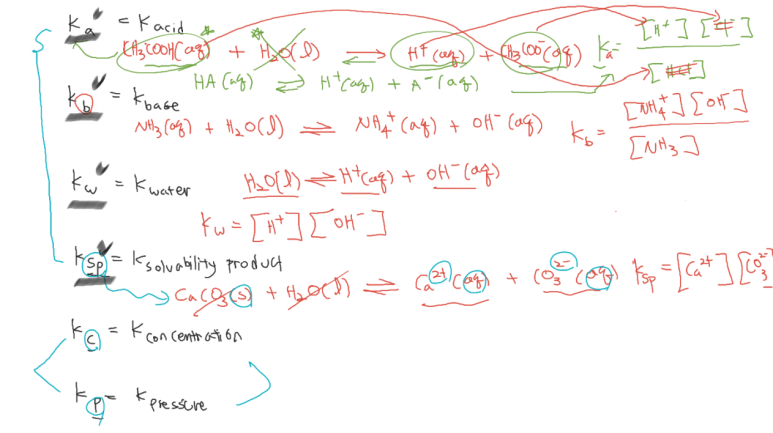
An effective method matters for efficient AP Chemistry preparation. Once you've developed an initial understanding—don't spend an excessively long period on that alone—begin questions similar to past papers. Past-paper practice familiarizes you with the exam, but it also helps you use limited time well by studying what is tested. Some years are harder and others easier. Rather than fixating on that, work through the questions one at a time, understanding the reasoning and method. Even a difficult paper usually has only a small number of exceptionally difficult questions; the rest are broadly comparable in difficulty. Questions often return with slight changes. Keep that in mind and use it. Of course, recognizing this isn't easy before you've seen MCQs or FRQs, so preparation still takes time. You need the underlying theory and an understanding of exam patterns. Even so, look at some past questions before committing to a study plan, or you may waste time on irrelevant material. Ask an experienced tutor or older student even when choosing a textbook. Starting from zero with one lesson a week, I would allow at least six months. Many students are in the third year of middle school or first year of high school. After about three months, they begin to understand Chemistry's principles; then I move them directly into extensive past-paper practice. Even that takes at least another three or four months to cover the papers. In practice, around a year is often needed to reach the level for a 5. The images below are lesson notes.
What I want to say finally
AP Chemistry isn't easy, although that depends on the student's starting point. Someone who already knows some Chemistry may master it without too much difficulty. Here, I'm mainly talking about students with little background. Studying the entire course alone from scratch is not easy, partly because it's possible to spend time on the wrong things. Advice matters enormously. It may shorten a process that would otherwise take years to one year or even six months. Students aren't studying only Chemistry, so they need to use time efficiently. Consulting an experienced specialist is often the quickest route. What I really want to say is that working with a specialist tutor is, in my view, the most effective approach. In 2020, I posted answers as soon as the exam became available—on the day students took it. Because I teach many students, I usually ask about the questions and prepare solutions.